Showing posts with label diet. Show all posts

Tuesday, July 12, 2011

Super Sleepers: Why Sleep Helps You Lose Weight

IN DEFENSE OF SLEEP

3 reasons you’ll want to get more shuteye if only for your health…
1. Leptin + Ghrelin. No, those are not two monster names. Those are hormones. When you don’t sleep, leptin levels drop. Why is that important? Because leptin regulates your fullness levels. On a day of little sleep, you won’t feel satisfied after you eat simply because of leptin levels dropping. When you don’t sleep, ghrelin levels rise. Why is that important? Because ghrelin regulates hunger. On a day of little sleep, your appetite will shoot up simply because of ghrelin levels rising. Bottom line: your body’s reaction to no sleep = hormonal shift to make up for it by making you eat more and more.
2. Less sleep = poorer decision making. Let’s face the facts - no one is a happy camper on very little sleep. But Mr. Grouch won’t be your only downfall of no sleep. You also are more susceptible to fatty foods and those evils because your decision making center (your brain!) is not in best shape. You’ll fall prey to the lures of smells, sights and tastes that you otherwise would have had the strength of mind and willpower to combat.  
3. More hours sleep = less hours of eating. It’s a pretty simple equation. If you are asleep, you’re not eating during those hours. Instead of staying up late groggily watching TV while snacking on a plethora of junk food, plop yourself into bed and recharge your body.

Foods that trigger sleep:
- 2 cups of fat free popcorn
- Whole wheat English muffin
Opt for complex carbohydrates, which cause your body to create serotonin, a relaxing chemical.
Try:

- Small baked potato (skin on) with a dollop of salsa
Find other foods that stimulate sleep on Yahoo! Shine
Final Tips:
- Avoid too many mid-day naps which will throw off your sleep schedule
- Avoid drinking caffeine/sugary drinks late at night

Friday, July 8, 2011

Super Saves: Small Fixes to the Way You Eat

Sometimes staying healthy is not about what you eat but how you eat. Here are 3 ways to change the way you eat at breakfast, lunch and dinner with a little dose of portion control:

#1 Switch up your plates
More room on your plate, more food in your belly. Just use smaller plates to reduce the amount of food you pile on and feel great about cleaning your plate. 

Bonus tip: Try using a salad plate instead of a regular sized plate for a calorie slash of ~250 calories.

#2 Skip seconds
Keep your plate full but avoid returning for second helpings. This will help you keep portions in check. 

Bonus tip: Count to 10. Do you really want that second helping of pizza or fries? Doubtful.

#3 Course Loading
Dividing your meal into courses will slow down your eating and give your brain time to register fullness. 

Bonus tip: Try starting with a soup (high temp prevents you from scarfing down) or salad (the greens will take up room in your stomach) before moving on to your main dish.

Tuesday, July 5, 2011

Super Seasonings: Decoding Condiments

Burgers, fries, hot dogs, pasta, etc. just wouldn’t be complete without some flavorful condiments. But some of these add on’s add up to a boat load of calories.

Here’s a roundup of 3 favorite condiments:

Ketchup
Serving Size:
1 tbsp Calories: 15

Ketchup seems pretty reasonable at only 15 cals per 1 tbsp. Considering that a tablespoon is about the size of your thumb and most people eat about 4-5x that just with an order of fries, you’re looking at factoring in an additional 60 to 75 calories to your calorie tally. Don’t forget that most ketchups contain high fructose corn syrup ( = BAD ).

Try ketchup’s superior relative – Salsa.

Salsa
Serving size: 1 tbsp Calories: 4

Salsa has an added fiber and protein bonus


Mayonnaise
Serving Size:
1 tbsp Calories: 90

Ten grams of fat. Period.  And again, the likelihood of using just a single serving size is slim.

For the same creamy texture, try light mayonnaise, low fat mayonnaise or even mashed avocado.

Light Mayonnaise
Serving Size: 1 tbsp Calories: 35

Low Fat Mayonnaise
Serving Size:1 tbsp Calories: 15

Avocado
Serving Size: 1/4 of avocado Calories: 70


Sour Cream
Serving Size:
1 tbsp Calories: 30

Try dolloping plain Greek yogurt on potatoes for the same tart and tangy taste but fewer calories and a higher protein count.

Plain Greek Yogurt
Serving Size: 1 tbsp Calories: 8


Tuesday, June 28, 2011

Super Meat: Choosing the Right Type of Meat


For many dieters, red meat is totally off limits. BUT meat can be a great source of protein, zinc, selenium, iron, and B vitamins. The problem comes from people choosing the wrong types of beef.


While we’re not such fans of the hunky chunks, if you have a hankering for some meat here are a few smarter options to chow down on:


  • Roasts 
  • Rounds of steaks 
  • Top sirloin 
  • Bison 
  • Extra-lean ground beef for burgers 
  • Grass fed beef (difficult to find in many restaurants) 

These are the big NO NOs. Meats to avoid: 
  • Heavily processed and high fat meats like hot dogs, salami, bologna and frozen meats 
  • Burgers that are more fat than ground beef 
  • Meat that is streaked with fat. Visible fat = major calories, saturated fat and cholesterol 


Not at a restaurant? Cooking yourself? Firstly, bravo! Secondly, best ways of cooking your meat:
  • Grilling 
  • Broiling 
  • Roasting 
  • Baking


As a general rule, keep the portion of your meat to 3-4 oz. which is about the size of your fist or a deck of cards. 

The average restaurant sized portion of meat is 10 oz!! So when you’re out to eat try these tips to avoid a heart attack meal:

  • Split your dish with someone else 
  • Eat half and brown bag the rest 
  • Order an appetizer sized meat and a large salad and make your own meat salad 
  • Order a small sized piece and sandwich your steak with a slice of bread from the bread basket


Remember meat can be good just steer clear of the Fred Flintstone sized brontosaurus T bones!


Thursday, June 16, 2011

Super Slimmers: All or Nothing Dieter

Find yourself saying: "Well, I already blew it so..." or "Today is the day!"

Diagnosis: You are an all or nothing dieter

You enjoy: restrictive diets. When you slip you figure you've already blown your diet, so why not get in all your bad foods today so you can start fresh tomorrow

Things to avoid: Obviously the food groups you’re avoiding already but also diet products that boast claims like low fat, nonfat, sugar free foods. These foods will only highlight the full fat, full sugared foods you’re missing out on. Instead, opt for foods that mimic the flavor and texture of the foods you really crave.

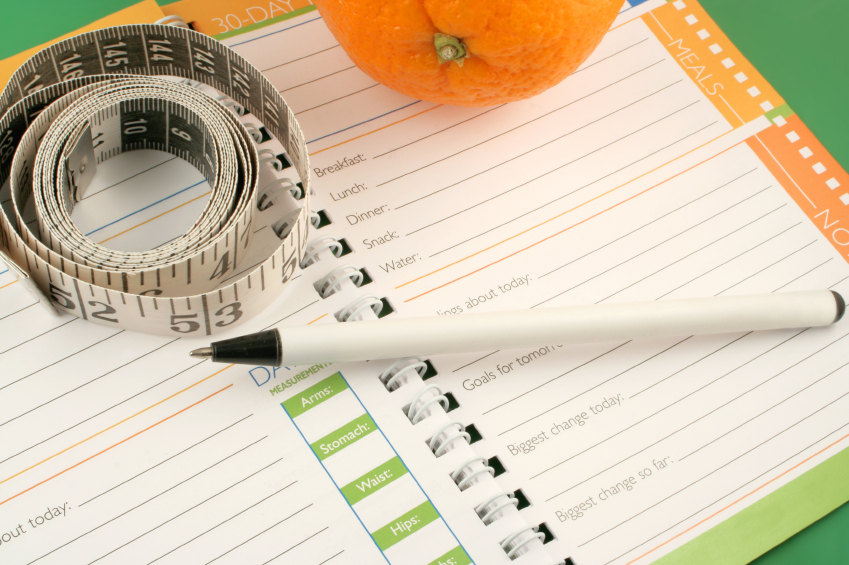
Rules to live by: 1) Avoid leaving the house hungry. If you’re already partially satisfied when you go to a party or out to dinner you’ll be less tempted to blow your diet. 2) Log your daily intake and times when you eat with a food diary. By recording when and what you eat everyday you will come to realize those moments in the day when you slip up and what foods you’re either getting too much or too little of. 3) Try the switch it up approach. Rather than cutting carbs, sugar, fats, etc. all at once, try one week with no carbs, the next week reinstate carbs but cut out fats, the next week reinstate fats but cut out sugars, etc. This will keep you from feeling deprived of any food group for too long and also keep your body constantly guessing.

Eat: frozen meals. With little preparation and easy to follow meals, these foods are ideal for nutritional balance and portion control for even the most restrictive diet. Dieters are able to eat a variety of different foods and cuisines that won’t blow their restrictive diets.


If you know yourself, you know that each day represents a new day. While some could criticize how making an announcement to yourself that today is the day you do it right may actually emphasize your upcoming deprivation and sets you up for failure, you may not realize how declaring each day a new day wipes your slate clean.